VESTA INTELLIGENCE
What You Don't See on a Private Flight: How Safety Is Looked After
Before you ever step aboard, dozens of checks have already happened. In private aviation, good safety is mostly what goes on when no one is watching.
On a well-run flight, the passenger notices only the calm: a coffee served on time, a punctual departure, a soft landing. Behind that ease is a layered system built so nothing is left to chance. It's worth understanding, because it's exactly what sets a serious operator apart from a mere middleman.
Who actually operates your flight
Not everyone who sells a flight operates it. A traditional broker resells availability; a certified operator answers to the authority for the aircraft, the crew and the maintenance. In Mexico that authority is AFAC, the Federal Civil Aviation Agency, which certifies operators and audits their compliance. The first safety question isn't about the aircraft: it's who signs for it.
The certifications worth looking for
Beyond the official authorization, independent audits raise the bar. The industry's three references are ARGUS and Wyvern, which review the operator's history and maintenance practices against FAA standards, and IS-BAO, an international standard created by IBAC under ICAO guidelines that evaluates the safety management system in three stages. No one is required to pass these audits: an operator that seeks them is choosing to prove it works above the minimum.
The crew and the aircraft
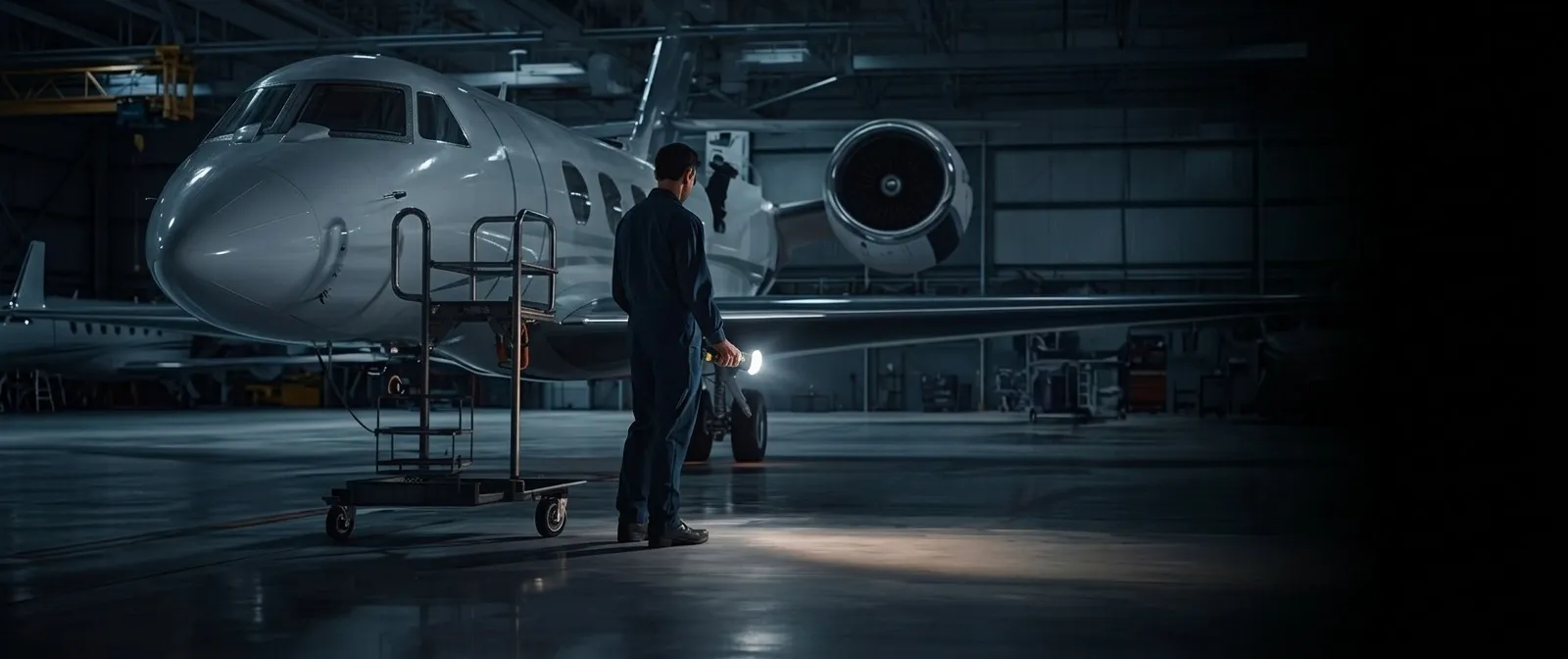
A serious operator's pilots meet experience minimums, recurrent simulator training and periodic medical checks. The aircraft follows a maintenance program dictated by the manufacturer, with inspections by flight hours and by cycles, not by convenience. And before every departure there's a pre-flight check that is never skipped, however routine the trip may seem.
The day of the flight
Planning is safety too. A dispatch desk reviews the weather, alternate routes, fuel with margin and the state of the departure and arrival airports. If something doesn't meet conditions, it's adjusted or it waits. That discipline, invisible to the passenger, is exactly what lets the flight feel calm from start to finish.
Frequently asked questions
What's the difference between a broker and a certified operator?
A broker brokers the sale; a certified operator is the one legally responsible for the aircraft, the crew and the maintenance before the authority.
What do ARGUS, Wyvern and IS-BAO mean?
They are independent, voluntary safety audits. ARGUS and Wyvern review history and maintenance against FAA standards; IS-BAO is an international safety-management standard.
Who regulates private aviation in Mexico?
AFAC, the Federal Civil Aviation Agency, which certifies operators and oversees their compliance.
Are private pilots as prepared as commercial ones?
A serious operator's pilots meet recurrent training, experience minimums and medical checks in line with industry standards.
Can I ask for my flight's certifications to be confirmed?
Yes, and a transparent operator shares them without hesitation.