VESTA INTELLIGENCE
The Weather Rules: What a Private Flight Can Do About It, and What It Can't
No aircraft beats the weather. What changes, when you fly private, is how many cards the passenger has to play.
There's a notion that flying private makes the passenger immune to bad weather. It's worth taking apart right away, because it isn't true. A strong storm closes an airport for everyone, private and commercial alike, and safety always beats haste. What private aviation does offer is room to maneuver: the weather stops being a verdict and becomes a variable that, much of the time, can be moved.
Flying higher helps, up to a point
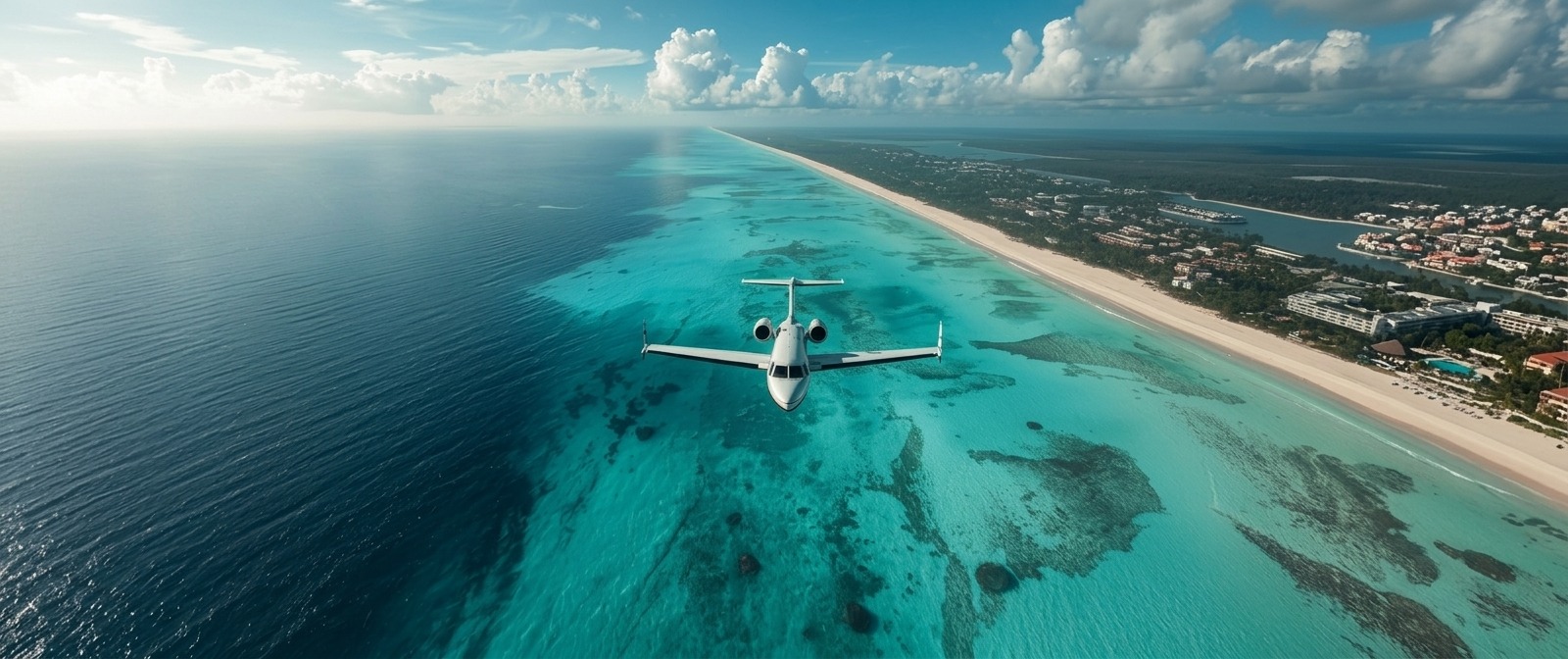
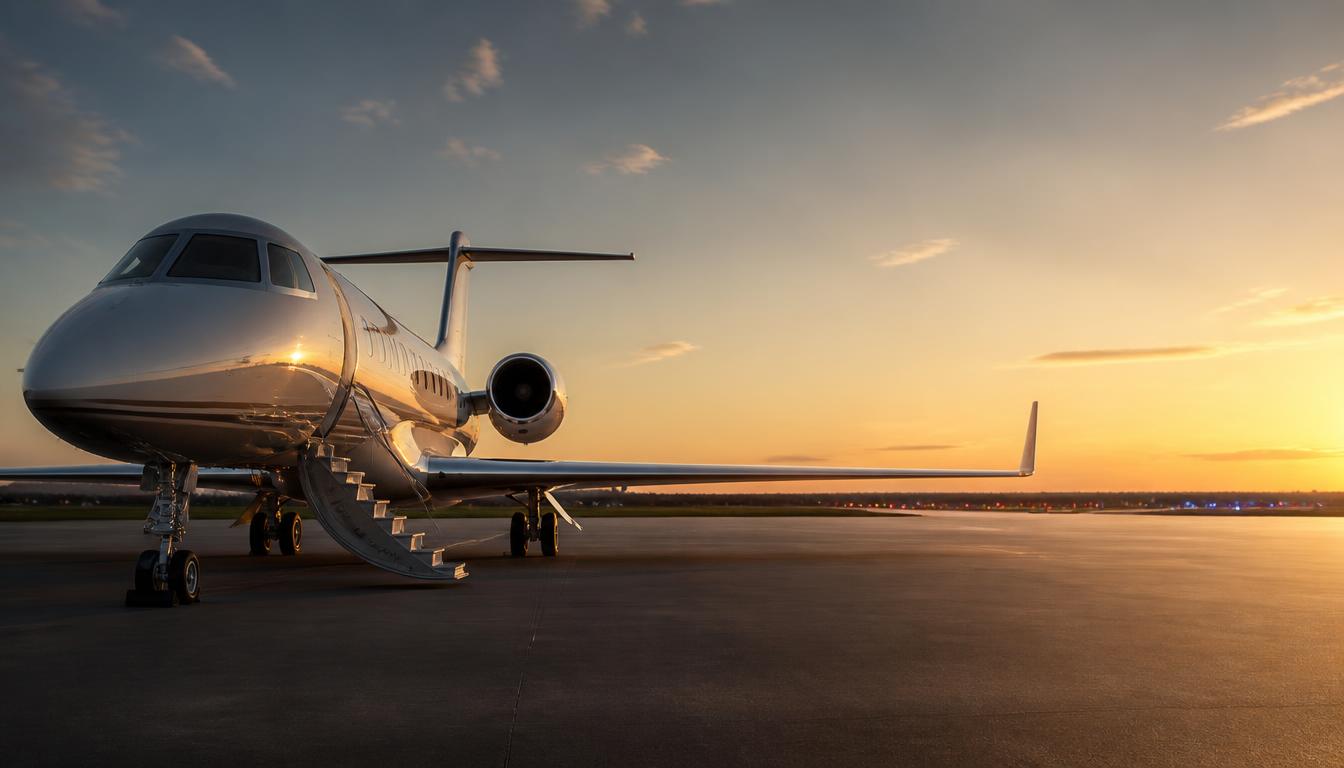
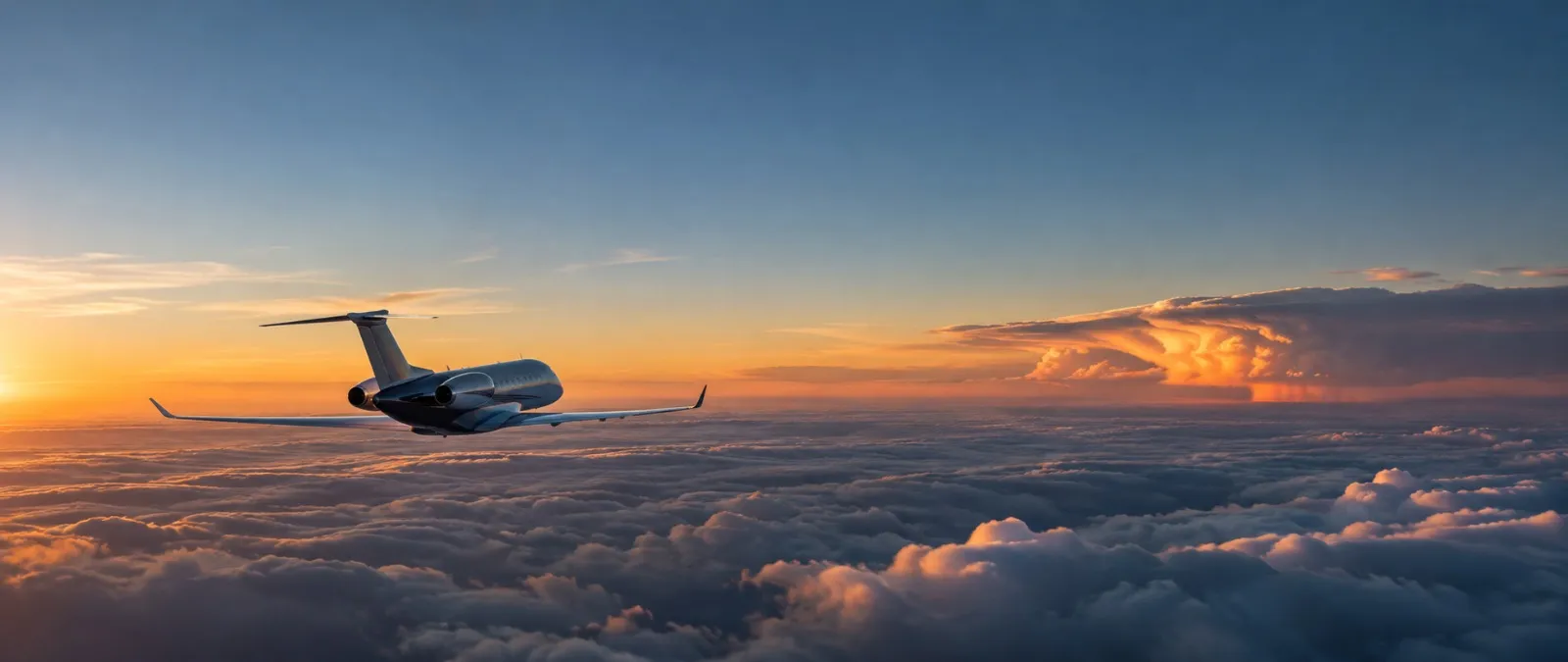
Executive aircraft fly high. A light cruises around 41,000 feet; a midsize reaches about 45,000; and ultra-long-range ones climb to 51,000, above much of the turbulence and the commercial traffic. That usually means steadier flights and more direct routes. But there's an honest limit worth stating: the largest storms rise to altitudes no passenger aircraft flies over. When they appear, you go around them or wait them out; you don't cross them.
The real advantage is the clock
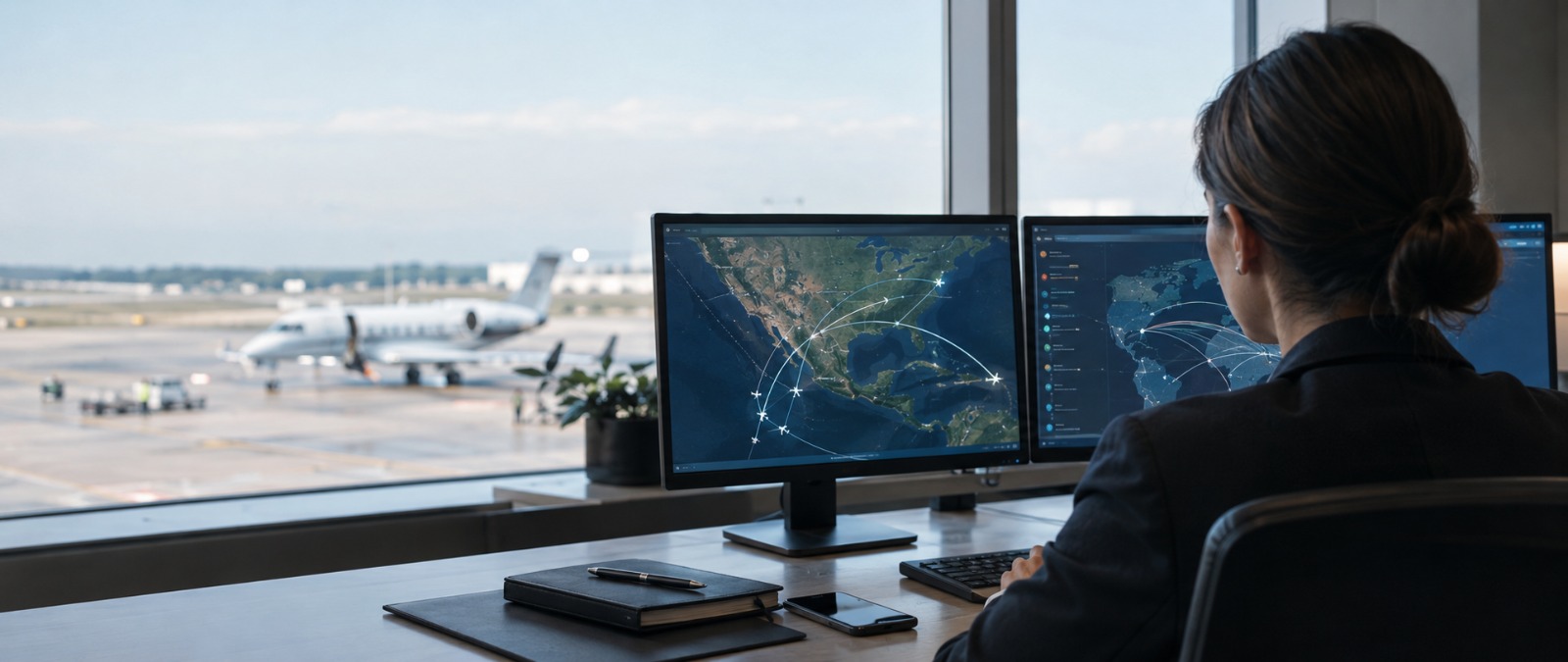
Here's what truly changes. A commercial flight leaves on time or it doesn't leave. A private one can move up a couple of hours to take off ahead of an incoming front, or push the departure back a morning to let the fog lift. That call is made between the passenger and the flight dispatch, and it saves more trips than any service ceiling.
More airports, more ways out
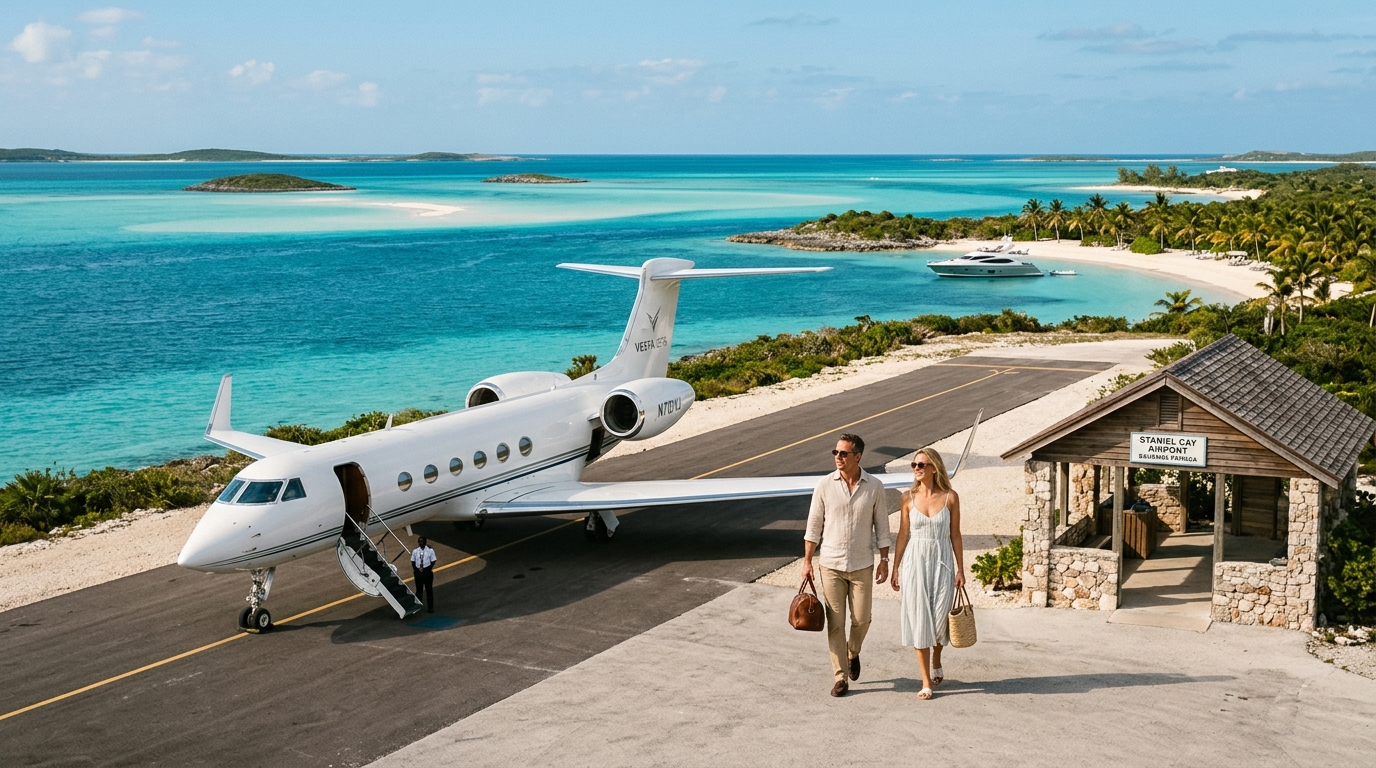
When the main airport won't cooperate, private aviation has more doors. It can land at a smaller field nearby and handle the last stretch by road, something a commercial flight, tied to its routes and slots, can rarely offer. In a region with recurring morning fog or runways that close in high wind, that alternative changes the whole day.
Hurricanes: the planning starts earlier
In the Caribbean and the Mexican Pacific, the weather is worked days in advance. When a system is announced, aircraft reposition out of its path and flights move up or move over. Flexibility doesn't remove the risk, but it lets you leave before the sky closes rather than sit stranded waiting for it to open again. The weather will keep ruling; flying private only gives the passenger more ways to answer it.
Frequently asked questions
Does flying private avoid weather delays?
Not entirely; a strong storm affects everyone. What it offers is flexibility to move the flight up, push it back, or reroute it.
Do private jets fly above bad weather?
They fly higher than most commercial aircraft, up to 51,000 feet in some cases, above much turbulence; but the largest storms are gone around or waited out, not crossed.
What happens if my airport closes due to weather?
Private aviation can usually use a nearby alternate airport and handle the last stretch by road.
Is it safe to fly during hurricane season?
Yes; planning monitors the systems and the flexibility of charter lets you leave earlier or reschedule.
Who decides whether the flight goes?
The final call belongs to the crew and the flight dispatch, always with safety ahead of any schedule.