VESTA EXPERIENCES
Privately: Three Faces of the Same Night
From October 31 to November 2, Mexico doesn't celebrate death: it celebrates those who are gone. It's the country's most intense cultural experience, and one of the hardest to live without friction when everything fills up at once.
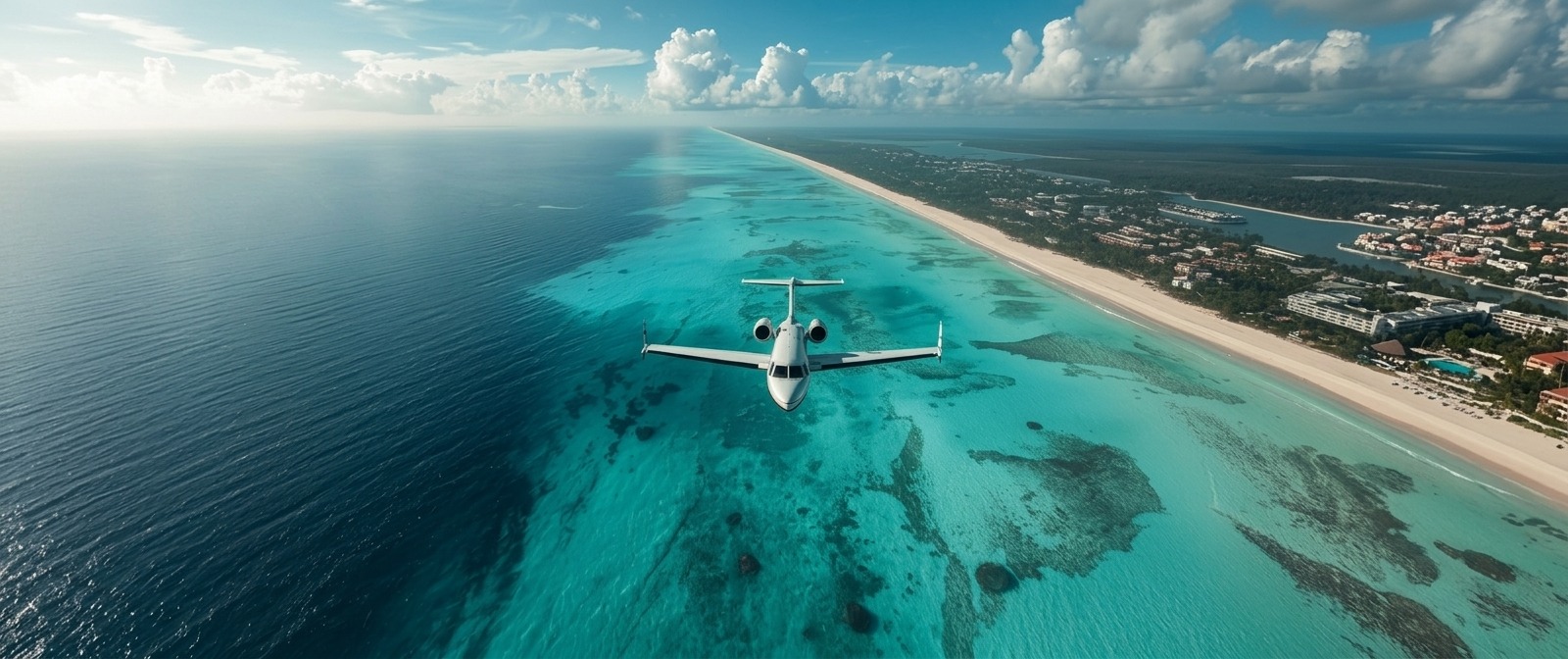
There's a touristy way to see Day of the Dead, and a deeper way to live it. The difference is usually being able to move between three places happening almost at the same time, each with its own character. Flying private is what lets you chain them without losing days to highways or sold-out flights.
Act I. Mexico City, the monumental ofrenda
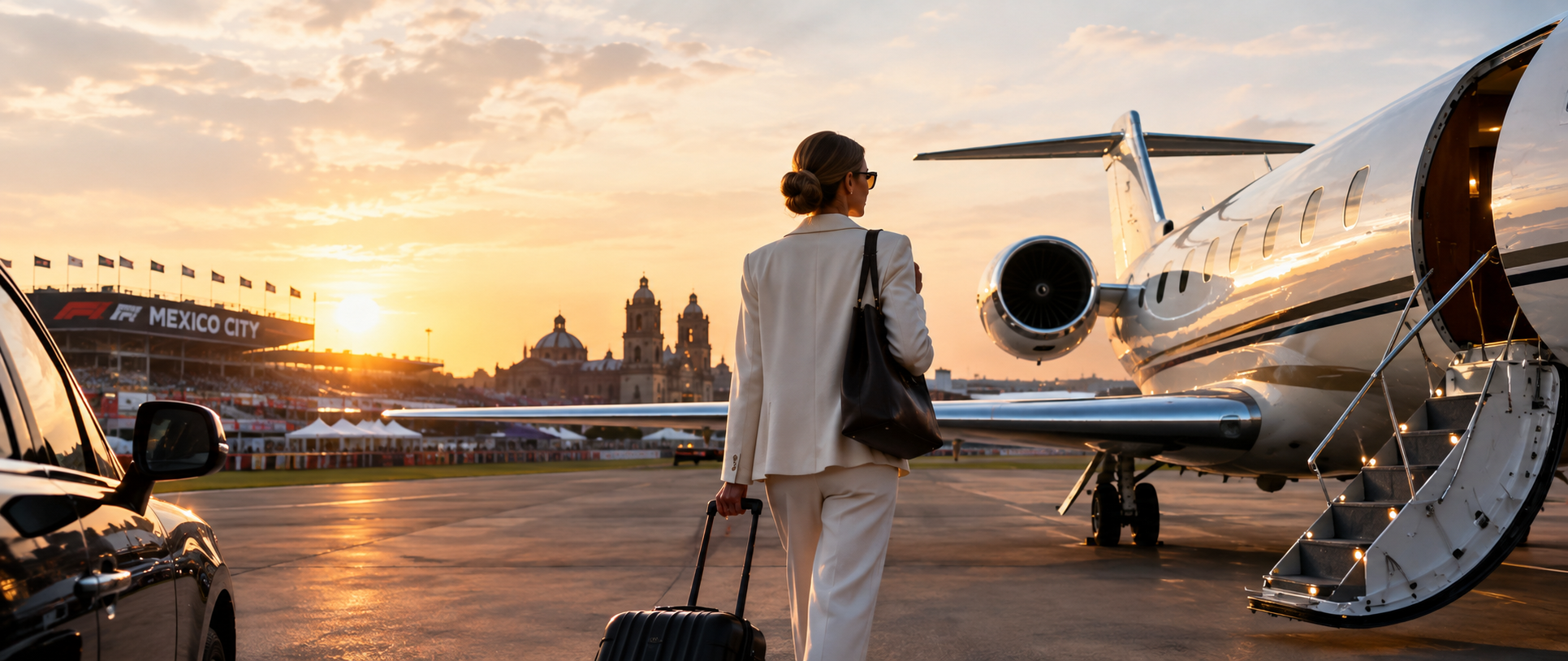
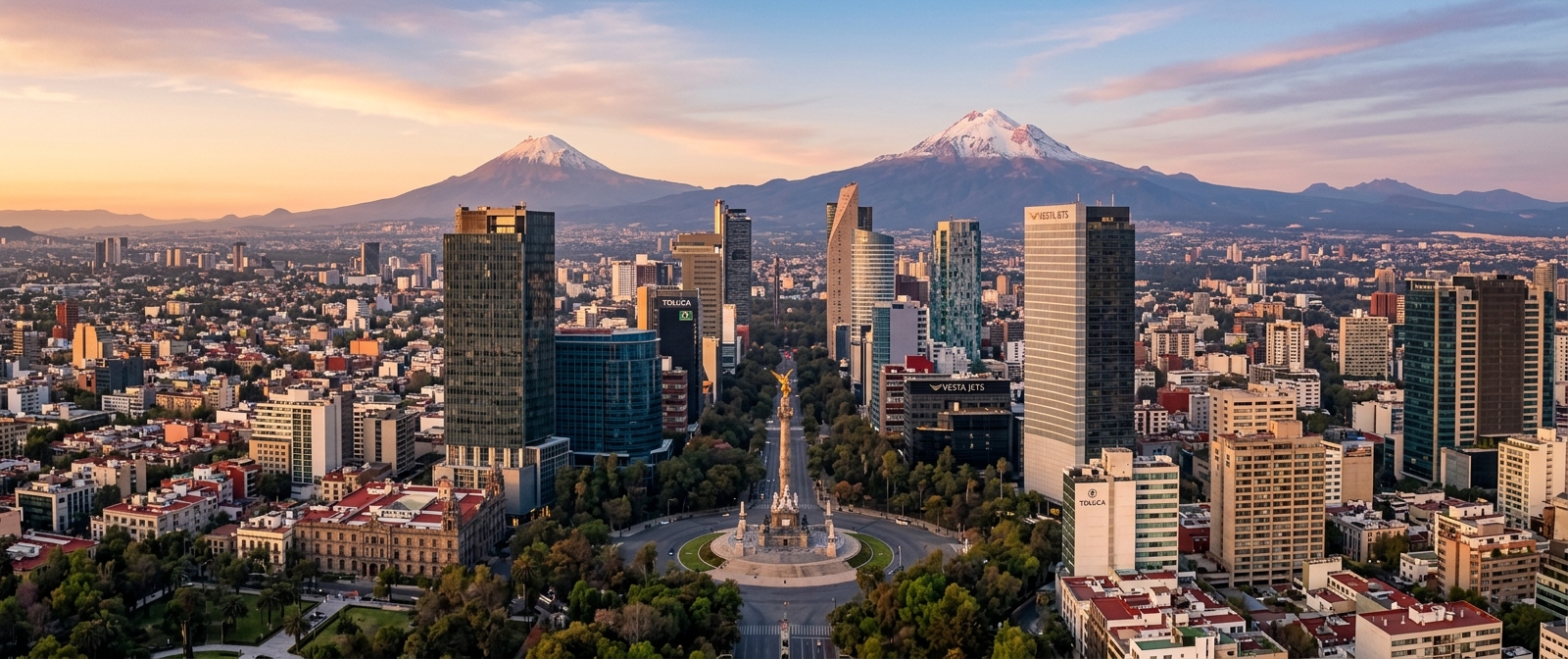
The capital brings the scale: the parade, the mega-altars, the museums, Mixquic to the south. It's Day of the Dead as urban spectacle, with the best table and the best hotel minutes from a landing at Toluca.
Act II. Oaxaca, the living tradition
Oaxaca is the heart. Comparsas through the streets, sand tapestries, cemeteries glowing with candles, mezcal and a cuisine turned to ritual. Here Day of the Dead isn't observed: it's accompanied.
Act III. Pátzcuaro, the lakeside vigil
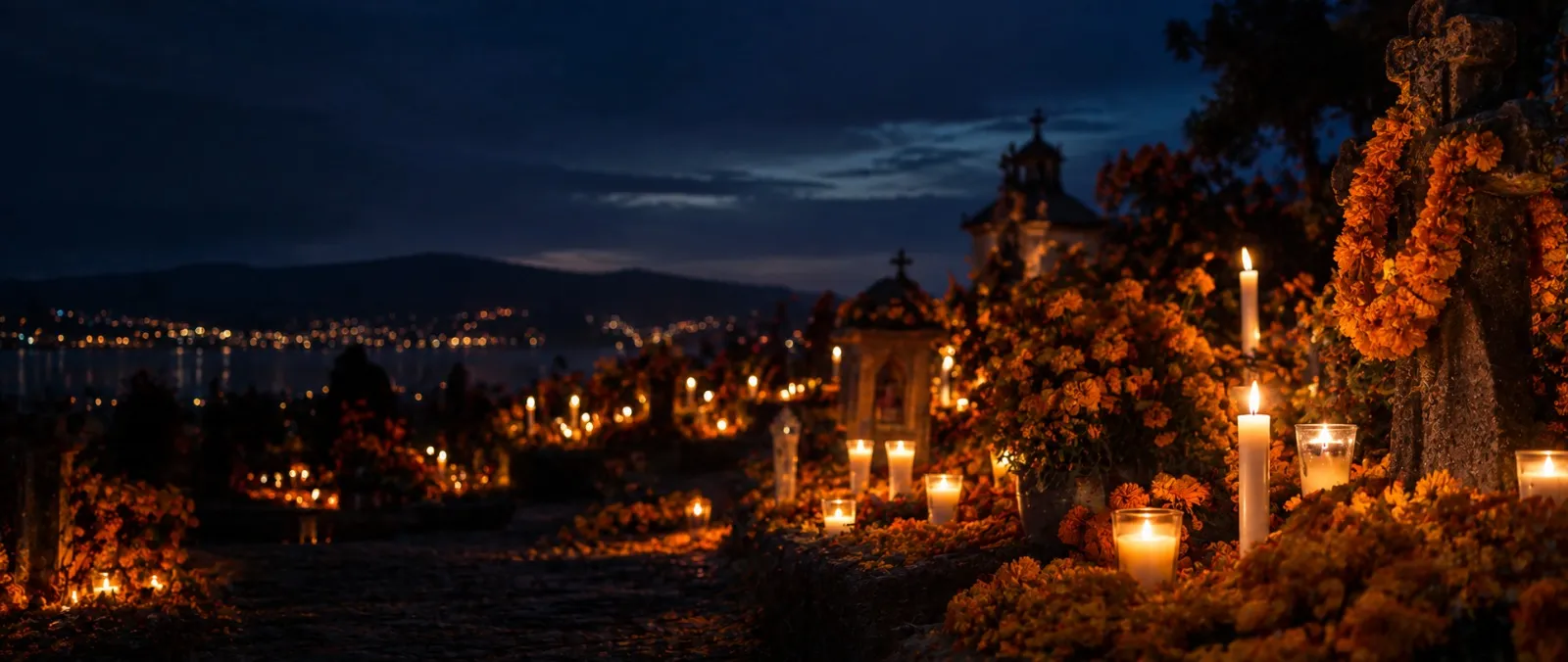
In Michoacán, the night moves to the water. On Janitzio and the shores of Lake Pátzcuaro, families keep vigil among marigolds and candlelight until dawn. It's the most intimate, overwhelming image of them all.
How it works privately
The three points, Mexico City (Toluca, MMTO), Oaxaca (MMOX) and Michoacán (Morelia, MMMM), fit into one trip when the itinerary is flown, not driven. The key is booking weeks ahead: it's the most in-demand date of the year.
Frequently asked questions
When is Day of the Dead?
From October 31 to November 2; the nights of the 1st and 2nd are the most intense.
Which are the best places to experience it?
Mexico City, Oaxaca and the Pátzcuaro region (Michoacán) hold the most iconic scenes.
How far ahead should I book?
Weeks; it's one of the highest-demand dates of the year and availability tightens early.