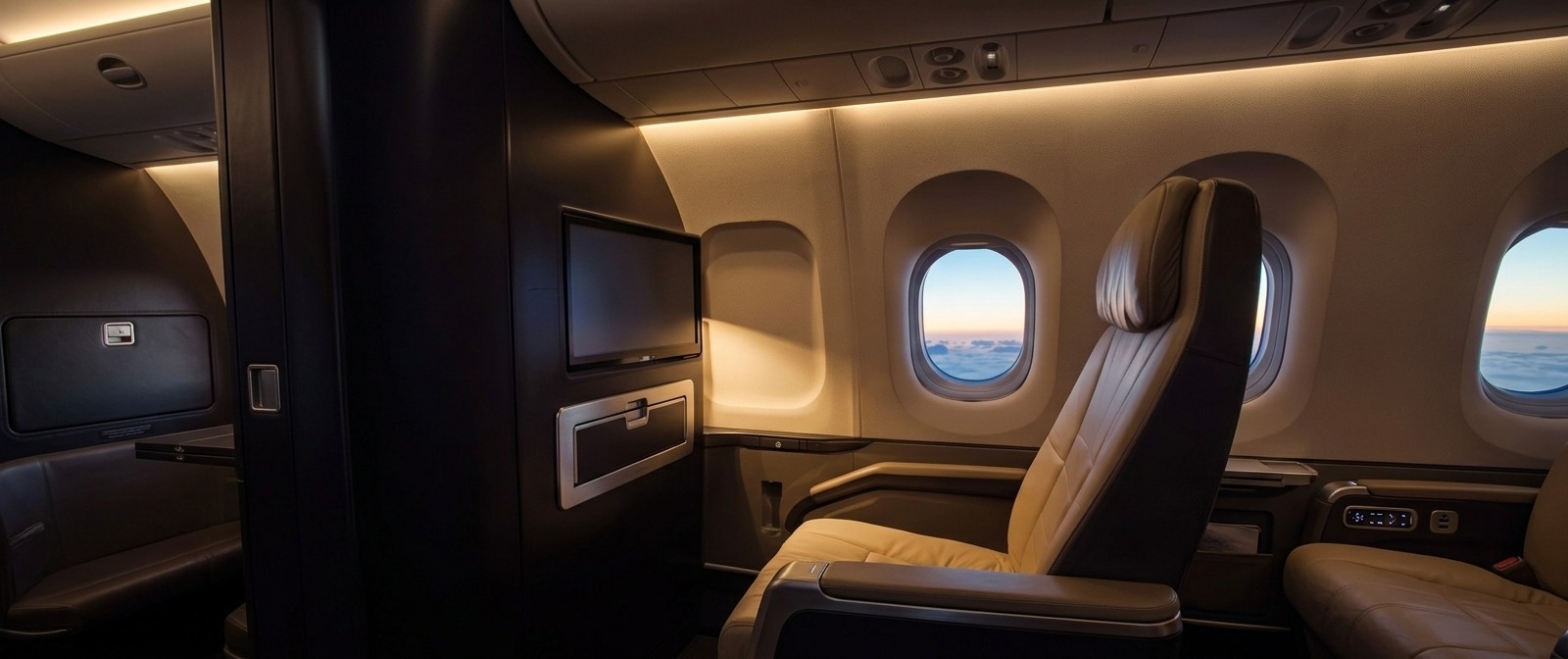
fleet
Light, Midsize or Heavy Jet: How to Choose the Aircraft by Route
In private aviation, the aircraft isn't an interchangeable luxury: it's an engineering decision. The distance to fly, how many are aboard and which runway you depart from define which category fits. Three families cover almost everything, and understanding their differences helps you ask well.
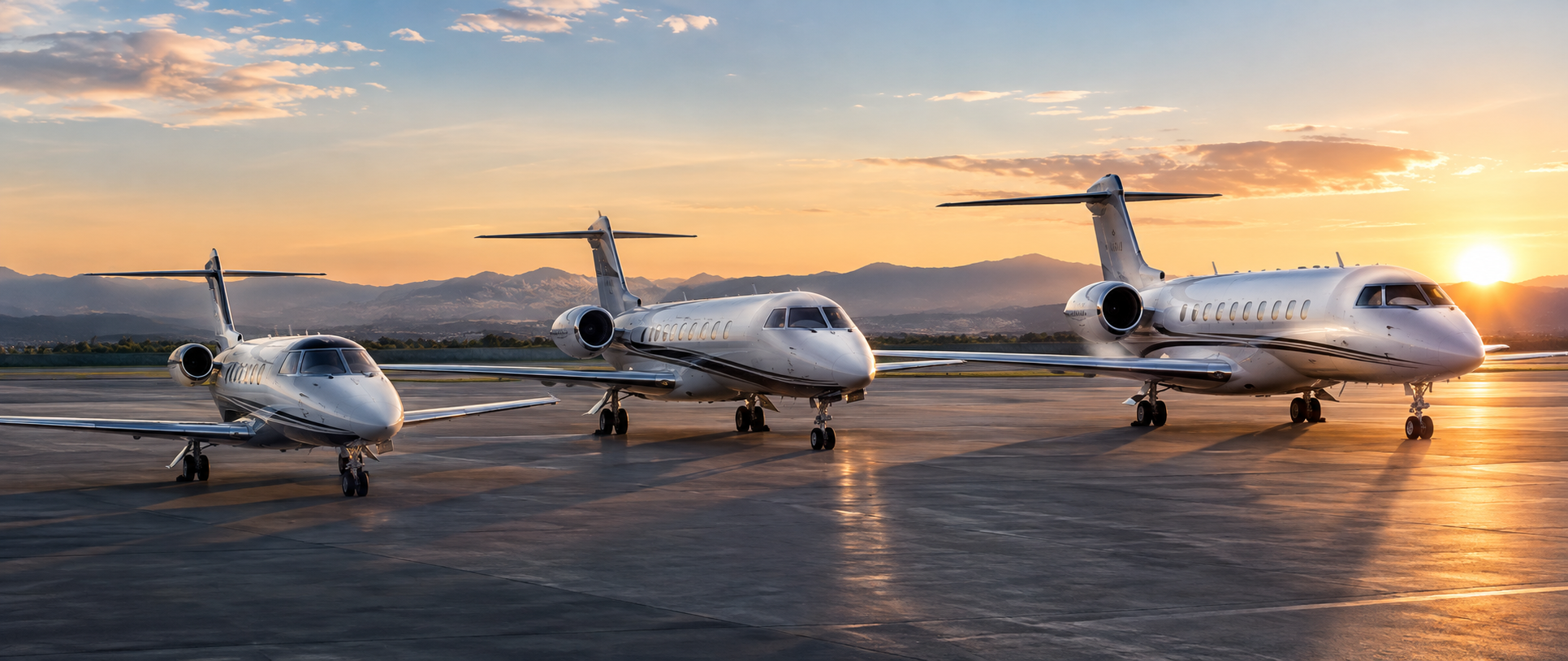
Light jet: the nimble one
Built for short and medium legs, it usually seats six to seven passengers and flies on the order of two to three hours nonstop. It's the natural choice for regional hops, gets into shorter runways, and is efficient for routes like Cancún-Mexico City or Cancún-Miami.
Midsize jet: the balance
More cabin, more range and more comfort for long domestic legs. It seats on the order of seven to nine passengers and covers transcontinental routes, like Mexico City-New York, with room to work or rest aboard.
Heavy and long-range: the intercontinental
The largest, longest-range aircraft carry more passengers over long distances, including transatlantic routes. They offer stand-up cabins, distinct zones and, in the longest-range models, the ability to cross oceans nonstop.
A quick rule by route
Regional hop (1–2 h) a light jet usually suffices and optimizes cost.
Transcontinental in Mexico or the US a midsize gives the best balance of cabin and range.
To Europe or South America a heavy or long-range aircraft is the way.
La ruta manda, pero también el objetivo del viaje: no es lo mismo un vuelo de trabajo de ida y vuelta en el día que un traslado familiar de una semana. Elegir bien la categoría es lo que hace que el vuelo se sienta a la medida y no sobredimensionado.
Frequently asked questions
What category do I need to fly from Mexico to Europe?
A heavy or long-range aircraft, given the distance and the range needed to cross the Atlantic.
Can a light jet land at small airports?
Yes; its size lets it operate on shorter runways where a larger aircraft couldn't, an advantage for remote destinations.
How many passengers fit in each category?
As a reference: a light jet typically seats six to seven passengers; a midsize, seven to nine; and a heavy or long-range, on the order of ten to sixteen, depending on the model and configuration.
How much luggage can I bring in each one?
Capacity grows with the category. A light jet is more limited; midsize and heavy aircraft take more bags and bulky gear. If you're traveling with golf clubs, skis or boards, it's worth mentioning it when you request a quote so the right aircraft is chosen.
What's the difference between a midsize and a super-midsize?
The super-midsize sits between the midsize and the heavy: it adds range and cabin, and handles longer transcontinental legs, and even some international ones, without reaching the size of a heavy aircraft.
What category do I need to fly from Mexico to Europe?
A heavy or long-range aircraft, given the distance and the range needed to cross the Atlantic.
Can I fly from Cancún to New York nonstop?
Yes, with a midsize or super-midsize depending on the number of passengers and the luggage. To cross the Atlantic, a heavy or long-range aircraft is required.
Can a light jet land at small airports?
Yes; its size lets it operate on shorter runways where a larger aircraft couldn't, an advantage for remote destinations.
What is "range," and why does it matter so much?
It's the maximum distance an aircraft can fly without refueling. It determines whether a leg is flown nonstop or needs a technical stop, and it's the first filter for choosing a category.